

-
Becoming a Pilot
-
Already a Pilot
-
Flight Instructor
- Pro / Turbine
- Aviation Maintenance
- Aviation Educators
- Why Choose King Schools

You're a Private Pilot - What's Next? Passengers, Instrument Rating, Multi-Engine, and a lot more
How to Become a Pilot
- Getting Your FAA Medical Certificate
- Where Will You Learn?
- Choosing Your Instructor (CFI)
- Student Pilot Certificate, Flight Time & Aviation Scholarships
- Pilot Ground School & Knowledge Exam
- What’s in a Pilot’s Flight Bag?
- Maneuvers & Your First Solo
- Advanced Maneuvers & Your First Solo Cross-Country
- 4 Money-Saving Tips
- Acing Your Private Pilot Checkride
- You’re a Private Pilot - What’s Next?
In this video, learn about your next steps as a new Private Pilot: Passengers, Instrument Rating, Multi-Engine, and a lot more.
Welcome to the Next Chapter
How does it feel to be a Private Pilot? Congratulations on joining a very small and very special community of aviators. Earning your certificate is a major milestone, but in many ways, it's just the beginning. A pilot certificate is often called a “license to learn,” and there are countless ways to grow your skills from here.
Share Your New Skill
One of the most rewarding parts of becoming a pilot is sharing flight with friends and family. A few guidelines can help ensure they have a wonderful first experience:
1. Pick the Right Day
Choose a day with good weather and low turbulence. Your passengers’ comfort is priority one.
2. Personalize the Route
Think about what would be meaningful for them. Flying over a home, workplace, or a familiar landmark can make the flight feel special and memorable.
3. Explain What You’re Doing
Talk through key parts of the process:
- What you’re looking for during the preflight
- Why the engine gets louder during the run-up
- What to expect during takeoff and landing
Including passengers in your workflow eases anxiety and keeps them engaged.
4. Keep the Flying Smooth
Avoid steep turns, stalls, or abrupt maneuvers. Fly the airplane as if you had a cabin full of commercial passengers. A smooth, predictable ride makes them want to come back.
Go Exploring
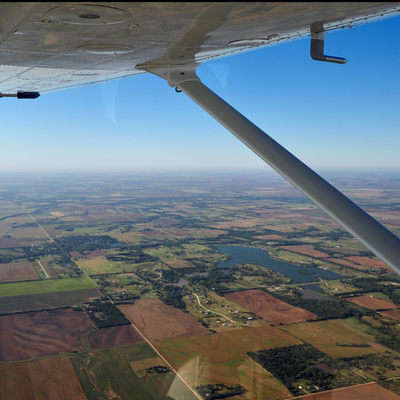
Pilots often talk about the “Hundred-Dollar Hamburger” trip. The idea is simple: fly somewhere just to grab a meal. Many airports have on-field restaurants, and the novelty of parking the aircraft and walking a short distance to lunch never gets old.
Here in San Diego, a classic example is flying to Catalina Island for a buffalo burger. The short ocean crossing and mountaintop runway make it a memorable adventure.
Pursue an Instrument Rating
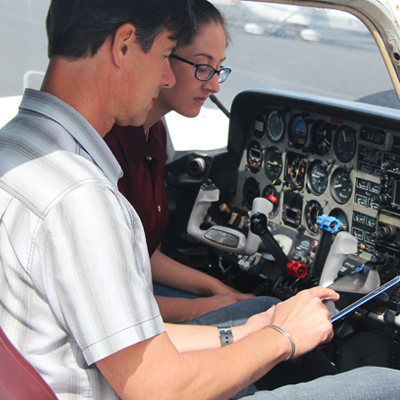
The next major step for many pilots is the Instrument Rating. It provides:
- Greater utility in poor visibility
- Improved confidence and safety
- Skills you use on every flight
- A flying experience that’s genuinely enjoyable
Instrument flight can feel like a precise, rewarding video game. It’s challenging in a good way and opens up a new world of capability.
Move Up to More Capable Airplanes
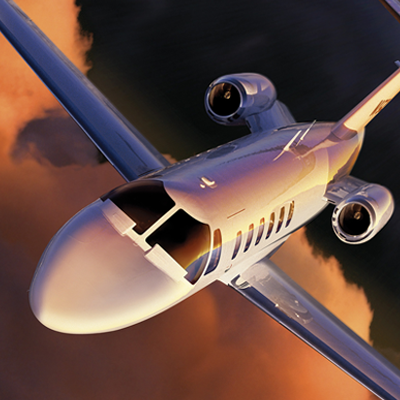
As you build hours and gain experience, you may want to fly faster or farther, or carry more. This often means transitioning to more advanced aircraft, such as:
- High-performance airplanes
- Aircraft with constant speed propellers
- Retractable-gear models
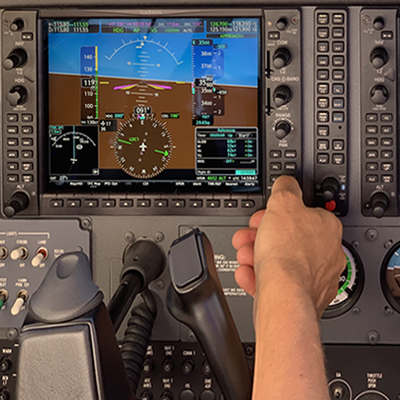
- Glass-cockpit platforms
Check what’s available in your local area and consider the required endorsements or transition training.
Step Into Twin-Engine Flying
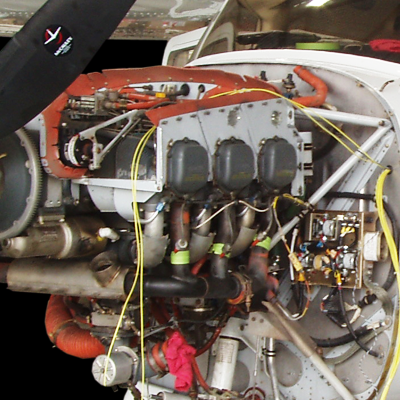
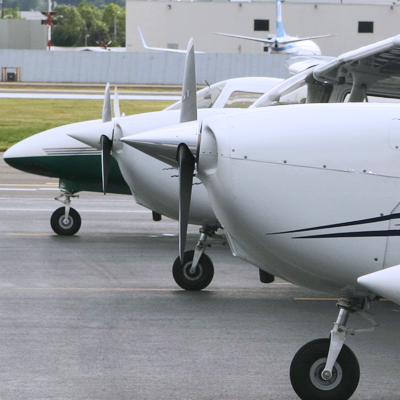
Twin-engine aircraft offer increased performance and added confidence when flying at night, over rugged terrain, or through challenging weather. Training includes:
Engine-out procedures, one-engine-inoperative performance, and advanced energy and directional control. It’s demanding, but highly rewarding.
Try Tailwheel Flying
If backcountry adventures appeal to you, tailwheel training is a natural next step. Tailwheel airplanes allow operations into grass strips, dirt runways and remote backcountry locations.
These aircraft sit with their nose higher, keeping the propeller farther from debris. Tailwheel training requires precision and attention, but it’s exhilarating and builds strong stick-and-rudder skills.
Explore the World of Gliders
Gliders provide one of the purest flying experiences available. Benefits include:
- Quiet, peaceful flight
- A deep understanding of lift and energy management
- Power-off landing proficiency
- Exceptional stick-and-rudder development
Every landing is a glider landing, making this training valuable even if you primarily fly powered aircraft.
Closing Thoughts
This concludes our series. Thank you for being part of the journey.
Becoming a pilot has been one of the best experiences of my life, and I hope these videos have inspired you to take your next step in aviation—whether it’s a short sightseeing hop, advanced training, or an entirely new category of flying.
If you have questions, chat with one of our Pilot Training Advisors at https://kingschools.com or give them a call at 800.854.1001.
I’ll see you at the airport, and as always, stay out of the trees 😊