

-
Becoming a Pilot
-
Already a Pilot
-
Flight Instructor
- Pro / Turbine
- Aviation Maintenance
- Aviation Educators
- Why Choose King Schools

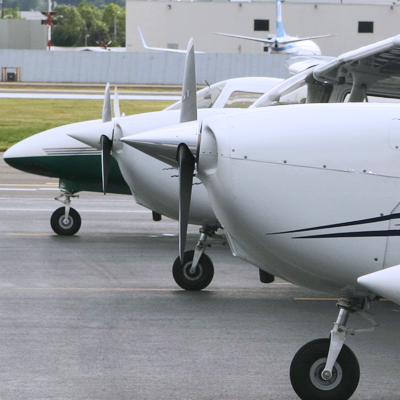

Advanced Maneuvers and Your First Solo Cross-Country
How to Become a Pilot
- Getting Your FAA Medical Certificate
- Where Will You Learn?
- Choosing Your Instructor (CFI)
- Student Pilot Certificate, Flight Time & Aviation Scholarships
- Pilot Ground School & Knowledge Exam
- What’s in a Pilot’s Flight Bag?
- Maneuvers & Your First Solo
- Advanced Maneuvers & Your First Solo Cross-Country
- 4 Money-Saving Tips
- Acing Your Private Pilot Checkride
- You’re a Private Pilot - What’s Next?
In this video, learn about Short Field Takeoffs and Landings, Soft Field Takeoffs and Landings, Flying by Instruments, Navigating by GPS, your first solo cross-country and a lot more.
Training at Busier Airports
Now that your first solo is behind you, you’ll begin training for more advanced scenarios you may encounter as a Private Pilot.
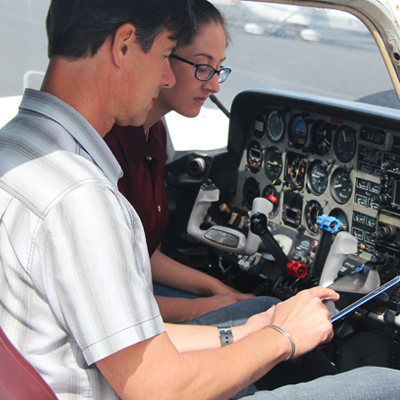
If your first solo was at a quiet airfield, your CFI may take you to a busier airport for additional solo practice. This helps you get comfortable with more active air traffic control, more aircraft in the pattern, and faster-paced communication and decisions.
Specialty Takeoffs and Landings
Next, you’ll learn two important performance techniques:
Short-Field Takeoffs & Landings
Simulate short runways or obstacles. Precision and energy management matter here.
Soft-Field Takeoffs & Landings
Simulate operating from grass, dirt, or soft surfaces. These require specific pitch and power techniques to prevent getting stuck or damaging the airplane.
Both of these are fun and highly practical skills.
Intro to Instrument Flying
You’ll also learn the basics of flying the airplane without looking outside, known as instrument flying.
You might pursue a full instrument rating later, but for now the FAA wants you to be able to:
- Keep the airplane under control in inadvertent IMC
- Rely on your instruments when necessary
- Avoid disorientation in the clouds
This training is empowering and teaches discipline.
GPS Navigation
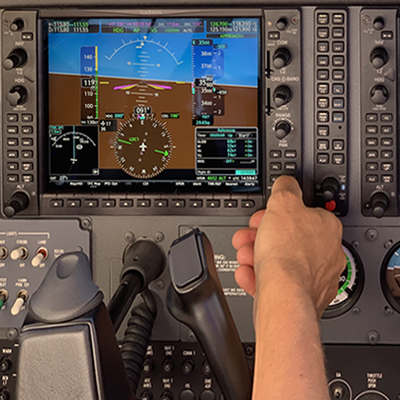
GPS is incredibly intuitive, but you’ll want to become an expert on the exact unit installed in your airplane.
VOR Navigation
You’ll also learn how to use VORs (Very High Frequency Omni-directional Radio Range).
They’re less intuitive, but King Schools has excellent free videos on how to master your VOR.
Pilotage & Dead Reckoning
You’ll learn classic navigation techniques such as:
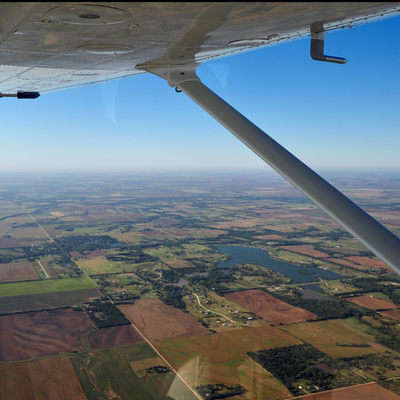
- Identifying features on the ground
- Using course, time, and airspeed to calculate position
- Staying situationally aware without electronics
These skills are fun, foundational, and incredibly valuable.
Night Flying
You’ll also log night flight time. Flying at night is a joy because the air is smoother, and other aircraft are easier to spot. However, finding airports can be tricky in bright metropolitan areas, so you’ll learn specific night procedures and techniques.
Emergency Training
You’ll practice handling rare but important situations.
These scenarios build confidence and teach you to stay calm and capable when something unexpected happens.
Cross-Country Flights
The FAA defines a cross-country as a flight more than 50 nautical miles from where you began. Put simply: you’re going on a trip.
Before each cross-country, you’ll plan:
- The route
- Weather
- Fuel
- Alternate airports
- Weight and balance
- Any risks involved
This is excellent preparation for future flying vacations and real-world pilotage.
Your First Solo Cross-Country
When you’re ready… it’s time.
Your first solo cross-country is one of the best memories you’ll make in aviation. You’ll have time to relax, think, and take in how far you’ve come. It’s a fantastic experience.